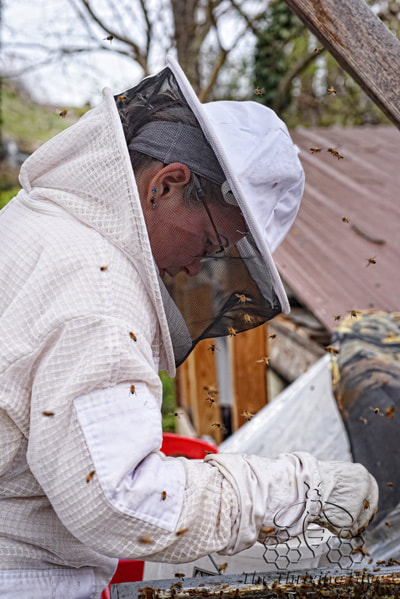
Classes/Services
This year we will be offering 3 in person classes on beekeeping. The Location of the classes is 9 South 7th St. Indiana PA, 15701
Beginner Beekeeping: Getting Started the Right Way
This beginner beekeeping class is designed for anyone curious about keeping bees or preparing to start their first hive. We’ll cover the foundational knowledge every new beekeeper needs, with an emphasis on understanding bees first—before managing them.
Topics include an introduction to honey bee biology and behavior, the different types of bees in a colony, and how a hive functions as a superorganism. You’ll learn about common hive styles, basic equipment and tools, what each tool is used for, and what you actually need versus what’s optional.
We’ll also discuss practical considerations such as hive placement, spacing, sun and wind exposure, forage availability, water access, and how location affects colony health and temperament. Seasonal expectations, basic hive inspections, and common beginner mistakes will be addressed so you can start with confidence.
This class is ideal for absolute beginners, backyard beekeepers, and anyone wanting a solid, reality-based introduction to beekeeping without overwhelm. No prior experience required.
This class will be $35.00 per person. The Facebook Gods hid the marketing I tried to post, and this class will have to be rescheduled for later.
The 3 Keys To Successful Beekeeping
This class explores how honey bees thrive when allowed to follow their natural instincts, with a special focus on forage, self-regulation, and seasonal rhythms. We’ll look at how bees live without human intervention—how they choose nest sites, regulate brood and population, manage pests and disease, and balance reproduction with survival in the wild. By understanding feral and minimally managed colonies, beekeepers gain insight into what bees need versus what humans often impose.
A core part of the class examines forage: what bees collect, when they collect it, and why timing matters more than abundance. We’ll discuss nectar and pollen flows, plant diversity, mineral sources, and how forage quality influences brood rearing, comb building, immune strength, and overwintering success.
Finally, we’ll trace the seasonal trajectory bees must follow to survive winter—from spring buildup and swarm impulse, through summer balance and dearth management, to fall contraction, fat-bee production, and winter clustering. Emphasis is placed on timing rather than manipulation: when brood must be reduced, when stores must peak, and when disturbance becomes harmful.
This class is ideal for beekeepers interested in treatment-free, low-intervention, or ecology-based approaches, as well as anyone who wants a deeper understanding of how bees have survived for millions of years without us—and what lessons that offers for modern beekeeping.
February 22, 2026 1:00PM-4:00PM $45.00 per person
A core part of the class examines forage: what bees collect, when they collect it, and why timing matters more than abundance. We’ll discuss nectar and pollen flows, plant diversity, mineral sources, and how forage quality influences brood rearing, comb building, immune strength, and overwintering success.
Finally, we’ll trace the seasonal trajectory bees must follow to survive winter—from spring buildup and swarm impulse, through summer balance and dearth management, to fall contraction, fat-bee production, and winter clustering. Emphasis is placed on timing rather than manipulation: when brood must be reduced, when stores must peak, and when disturbance becomes harmful.
This class is ideal for beekeepers interested in treatment-free, low-intervention, or ecology-based approaches, as well as anyone who wants a deeper understanding of how bees have survived for millions of years without us—and what lessons that offers for modern beekeeping.
February 22, 2026 1:00PM-4:00PM $45.00 per person
Developing a Bee Yard with Feral Bees: The Path to True Treatment-Free Beekeeping
This class focuses on how to develop land, forage, and a bee yard that supports feral-adapted honey bees and enables genuine treatment-free beekeeping. Rather than relying on interventions, medications, or constant manipulation, we explore how to work with natural selection instead of against it.
Topics include attracting and housing feral or survivor-stock bees, creating favorable nesting conditions, and designing apiaries that encourage resilience, local adaptation, and long-term survival. We’ll discuss forage development, density and spacing of colonies, natural brood breaks, swarm dynamics, and why certain management styles undermine treatment-free goals.
Special attention is given to genetics—how feral bees differ from managed stock, how survivor traits are expressed, and how to allow those traits to strengthen over time. We’ll also examine why many “treatment-free” efforts fail, and how yard design, timing, and restraint are often more important than equipment or techniques.
This class is ideal for beekeepers who want to move beyond input-based management and toward a sustainable, self-regulating system rooted in ecology, selection, and respect for how bees evolved to survive—without treatments and without rescue.
March 1st, 2026 1:00PM-4:00PM $45.00 per person
Topics include attracting and housing feral or survivor-stock bees, creating favorable nesting conditions, and designing apiaries that encourage resilience, local adaptation, and long-term survival. We’ll discuss forage development, density and spacing of colonies, natural brood breaks, swarm dynamics, and why certain management styles undermine treatment-free goals.
Special attention is given to genetics—how feral bees differ from managed stock, how survivor traits are expressed, and how to allow those traits to strengthen over time. We’ll also examine why many “treatment-free” efforts fail, and how yard design, timing, and restraint are often more important than equipment or techniques.
This class is ideal for beekeepers who want to move beyond input-based management and toward a sustainable, self-regulating system rooted in ecology, selection, and respect for how bees evolved to survive—without treatments and without rescue.
March 1st, 2026 1:00PM-4:00PM $45.00 per person
Swarm Catching: Traps, Bee Trees, and Field Techniques
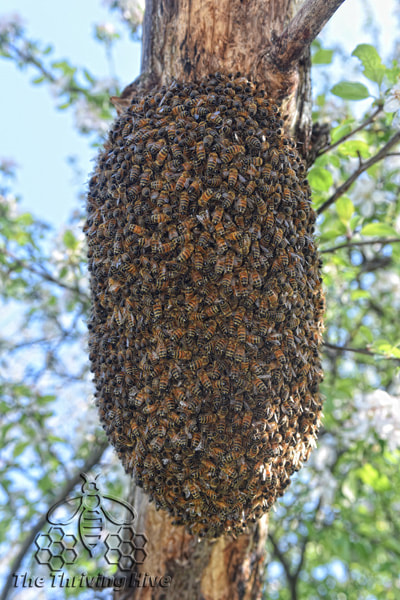
Starting in April 12, 2026, and running to May 10th, we will be running a swarm catching class. This class focuses on the practical skills needed to locate, attract, and safely capture honey bee swarms. We’ll cover how and why bees swarm, what swarms are looking for in a new home, and how to use that knowledge to successfully catch them.
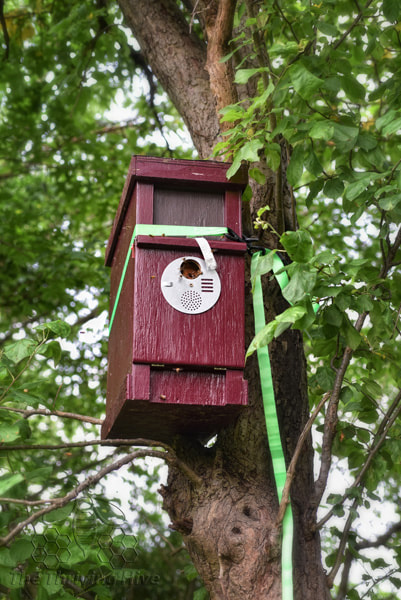
Students will learn how to effectively place swarm traps, including box size, entrance placement, height, scent/lures, and timing throughout the season. We’ll discuss reading the landscape—how to identify likely swarm travel routes, understand colony density, and recognize signs that feral colonies are nearby.
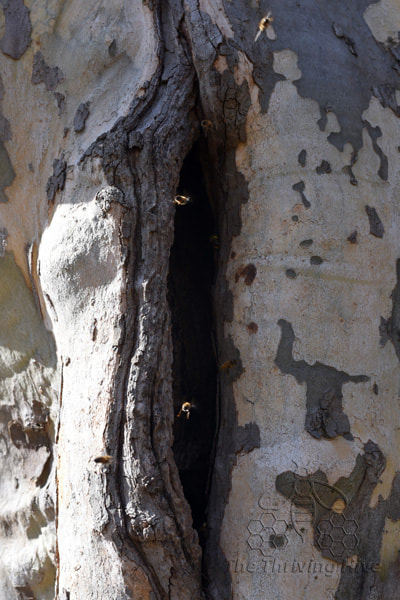
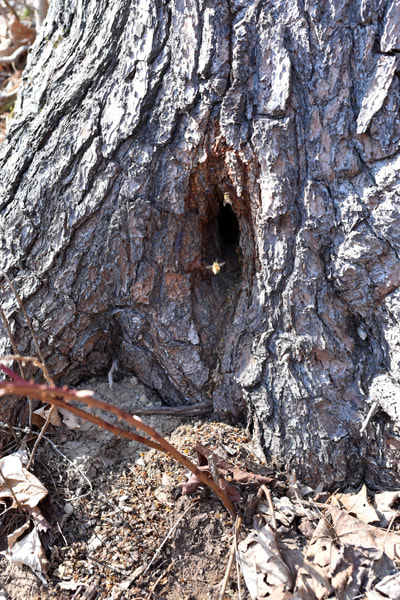
The class includes visits to known bee trees and active bee yards, where we’ll observe flight patterns, discuss how feral colonies choose nesting sites, and practice techniques for tracking and intercepting swarms. Safety, legality, and ethical considerations will also be covered, along with how to transfer captured swarms into hives with minimal stress.
This class is ideal for beekeepers interested in expanding apiaries through natural reproduction, capturing local genetics, or building survivor stock. It’s especially valuable for those pursuing treatment-free or low-intervention beekeeping and anyone who wants to understand bees on their own terms—out in the field, where they actually live.
The classes will be on held on Sunday's April 12, 19, 26 & May 3, 10, and are limited to 3 people per class. The cost is $300 per person, and includes a swarm box, with 10% off additional swarm boxes if pre-ordered, or if available.
Students will learn how to effectively place swarm traps, including box size, entrance placement, height, scent/lures, and timing throughout the season. We’ll discuss reading the landscape—how to identify likely swarm travel routes, understand colony density, and recognize signs that feral colonies are nearby.
The class includes visits to known bee trees and active bee yards, where we’ll observe flight patterns, discuss how feral colonies choose nesting sites, and practice techniques for tracking and intercepting swarms. Safety, legality, and ethical considerations will also be covered, along with how to transfer captured swarms into hives with minimal stress.
This class is ideal for beekeepers interested in expanding apiaries through natural reproduction, capturing local genetics, or building survivor stock. It’s especially valuable for those pursuing treatment-free or low-intervention beekeeping and anyone who wants to understand bees on their own terms—out in the field, where they actually live.
The classes will be on held on Sunday's April 12, 19, 26 & May 3, 10, and are limited to 3 people per class. The cost is $300 per person, and includes a swarm box, with 10% off additional swarm boxes if pre-ordered, or if available.
|
|
|
|
Events and Classes
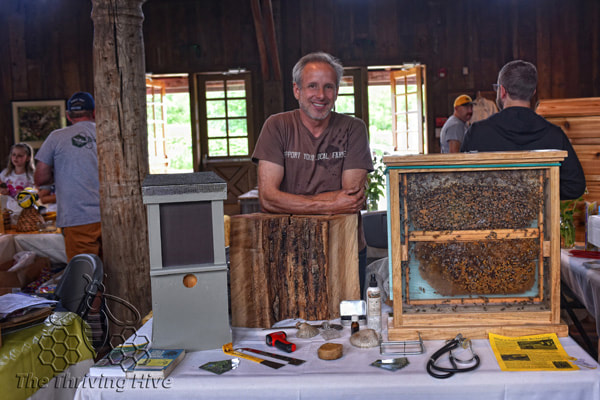
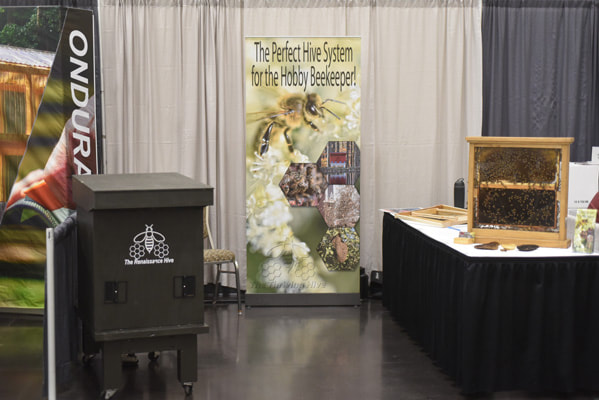
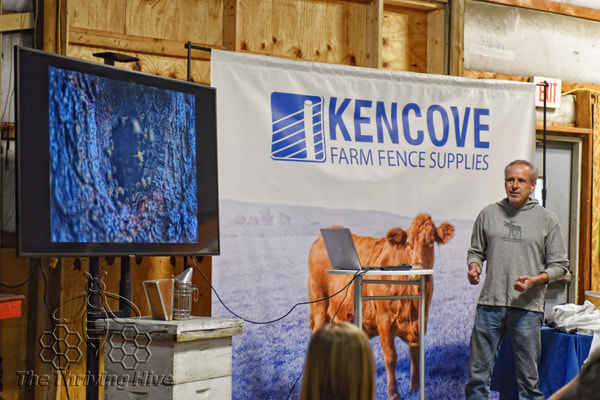
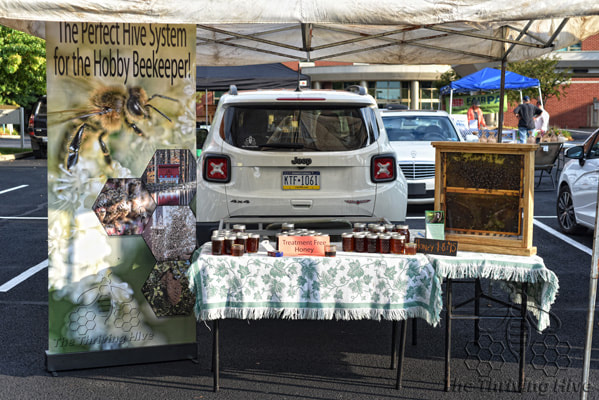
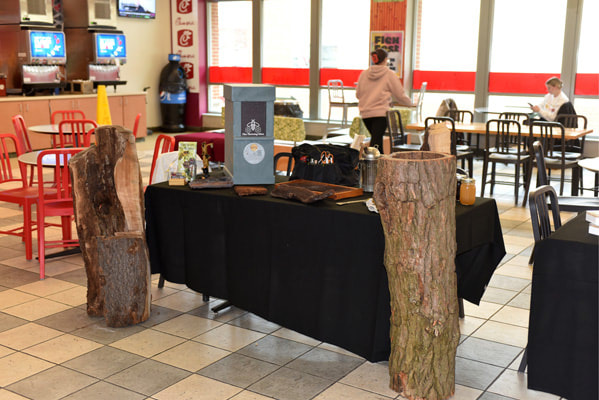
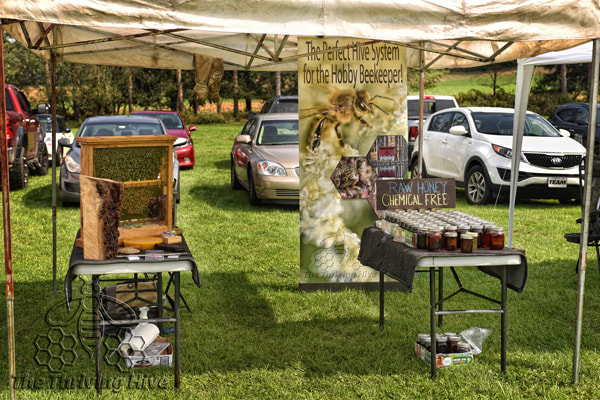
We are often times available to set up at different events, where we bring educational equipment to show people more about bees and beekeeping--weather permitting, we even bring bees with us (no, they can't get out). At these events we might also have honey to sell. We also have classes to teach both online and in person.
|
|
|
|
|
|
Social Media
The Renaissance Beekeeper/Facebook.com
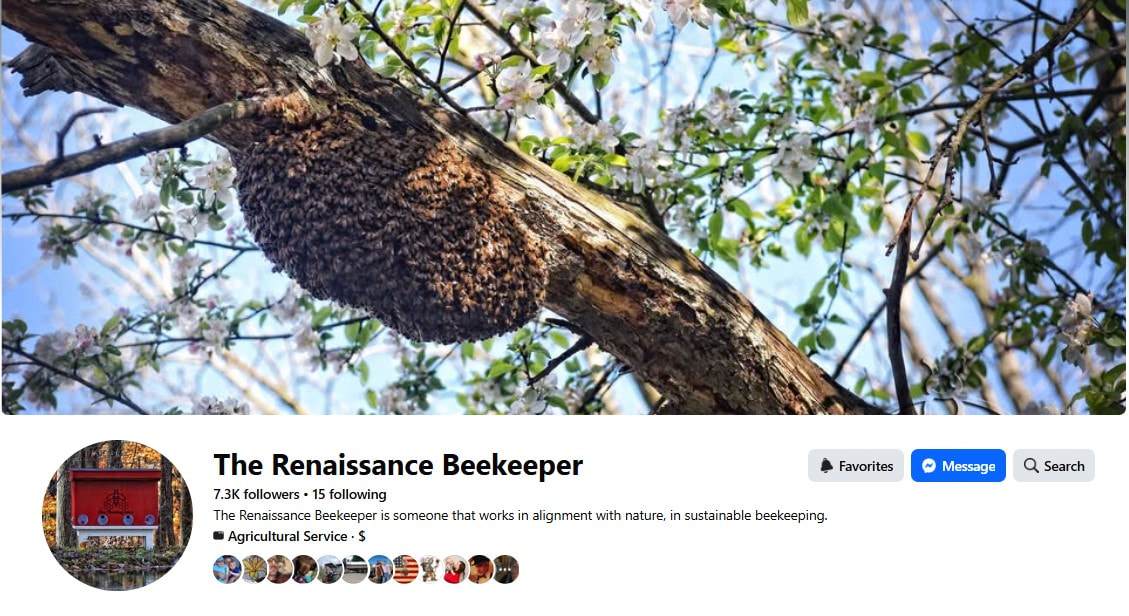
This Page has thousands of images and posts--often once a day--and is a great help to those in and around the Western PA area.
Sustainable Beekeeping Group on Facebook, 23,000 Members and Growing!
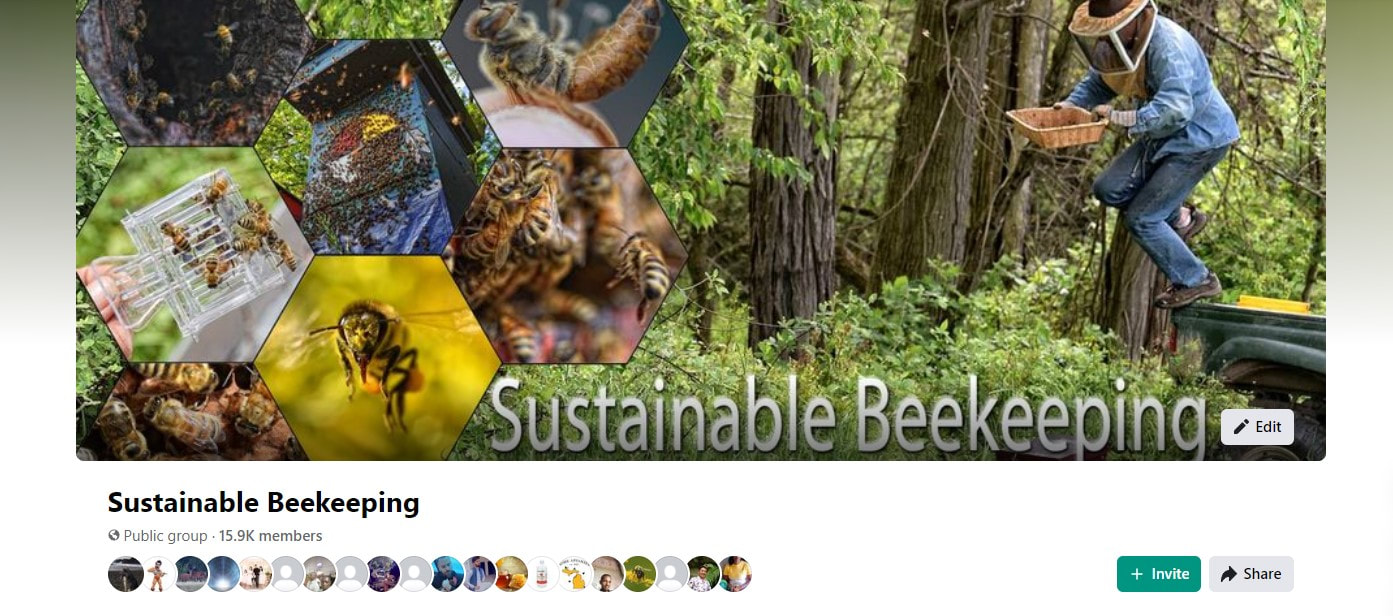
Eco-Based Sustainable beekeeping is the name I came up with for a group that sees the bigger picture. It's beekeepers that are concerned about keeping their bees alive, and also concerned about how they do it along with the environment. When you work more in alignment with nature, you find out that being out of balance means adding more weight to one side to keep the scales from tipping out of your favor. Eco-Based means that you look at how bees should be living, then do your best to keep it the way they need, so the balance is not so hard to manage.